
Agriculture
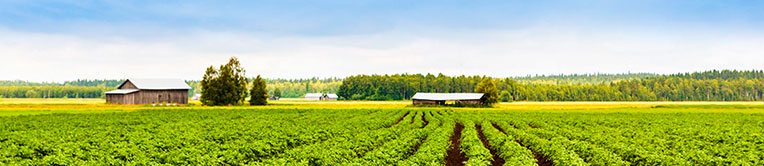
Langlade County's Diverse Agricultural Industry Generates Millions of Dollars
In the nineteenth century, Langlade County’s major industry — logging — gave rise to a burgeoning agricultural industry. Hundreds of Langlade County loggers began farming to supplement their own needs rather than travel outside the area to purchase food or feed. As broad areas were cleared for pasture and wild hay production, agriculture quickly became a stable means of supplementing their logging wages.
Today, both potato and dairy production are the foundation of Langlade County’s agricultural industry. Family-owned farms, food processing companies and agriculture-related businesses generate thousands of jobs and millions of dollars in economic activity while contributing to local income and tax revenues.
Langlade County has 116,386 acres of farmland with potato and vegetable production and dairy as the main agricultural enterprises. This is 21% of the county’s land. This includes cropland, rangeland, pasture, tree farms and farm forests.
As stewards of the land, farmers use conservation practices, such as crop rotation, nutrient management and integrated pest management, to protect environmental resources and provide habitat for wildlife.
- Langlade County leads the state in the production of seed potatoes, with nearly 10,000 acres utilized for seed potato production.
- 33% of the total land area in Langlade County is comprised of national, state- and county-owned land that includes portions of the Nicolet National Forest and the Wolf River.
- Langlade County supports other diverse agricultural industries, including logging, lumber, Christmas trees, wreaths, maple syrup, tree farms, apple orchards, berry production, honey and ginseng.
- Agriculture comprises 15.5 % of Langlade County’s workforce with 1,640 jobs. Every job in agriculture generates an additional .078 jobs in the county.
- Langlade County’s agricultural industries generate $124 million in economic activity, accounting for 35 percent of Langlade County’s total economic activity.
- Langlade County agriculture accounts for $99.2 million, or 13.3%, of the county’s total income. This includes wages, salaries, benefits and profits of farmers and workers in agriculture-related businesses. Every dollar of agricultural income generates an additional $0.95 of county income.
- Every dollar of sales from Langlade County agricultural products generates an additional $0.53 of economic activity in other parts of the county’s economy.
- Economic activity associated with Langlade County’s farms and agriculture-related businesses generates $8.1 million in local and state taxes.
- Langlade County was ranked #4 in Wisconsin's vegetables industry in 2021.
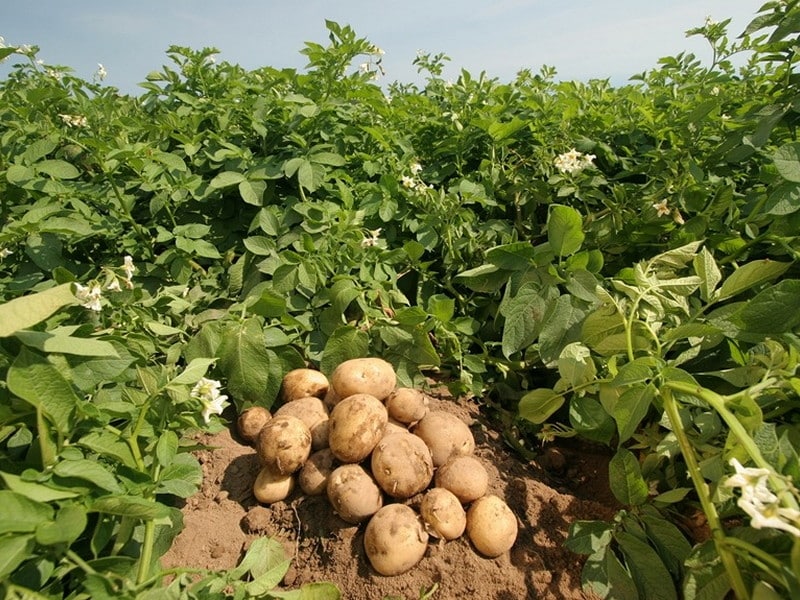
Vegetable Production
Vegetable production is an important part of Langlade Count’s agriculture. In 2012, the market value of vegetable crops was $45.9 million, or 44 percent of the total market value of all agricultural products sold in the county. There are over 10,000 acres of potatoes and over 3,100 acres of snapbeans raised in Langlade County.
Recent polls and studies reveal the local food trend. Nearly everyone, from local consumers to large chain stores, is taking part at some level. A 2008 survey found that 82 percent of American consumers had purchased local food. Langlade County farmers sell directly to consumers from roadside stands, farmers’ markets, auctions and pick-your-own operations, with 34 farms generating $623,000 in local food sales. To learn more about how to market your locally grown food, the Wisconsin Department of Agriculture, Trade and Consumer Protection has a third edition of Wisconsin Local Food Marketing Guide. This 106-page document is intended as a resource for farmers and producers. It will acquaint you with some of the opportunities you can use to start up a new business, market your food products, agritourism trails, and resources for your agriculture product. You will learn from those who pioneered innovative production and marketing approaches. Understanding what’s involved in local food marketing will better prepare you for success.
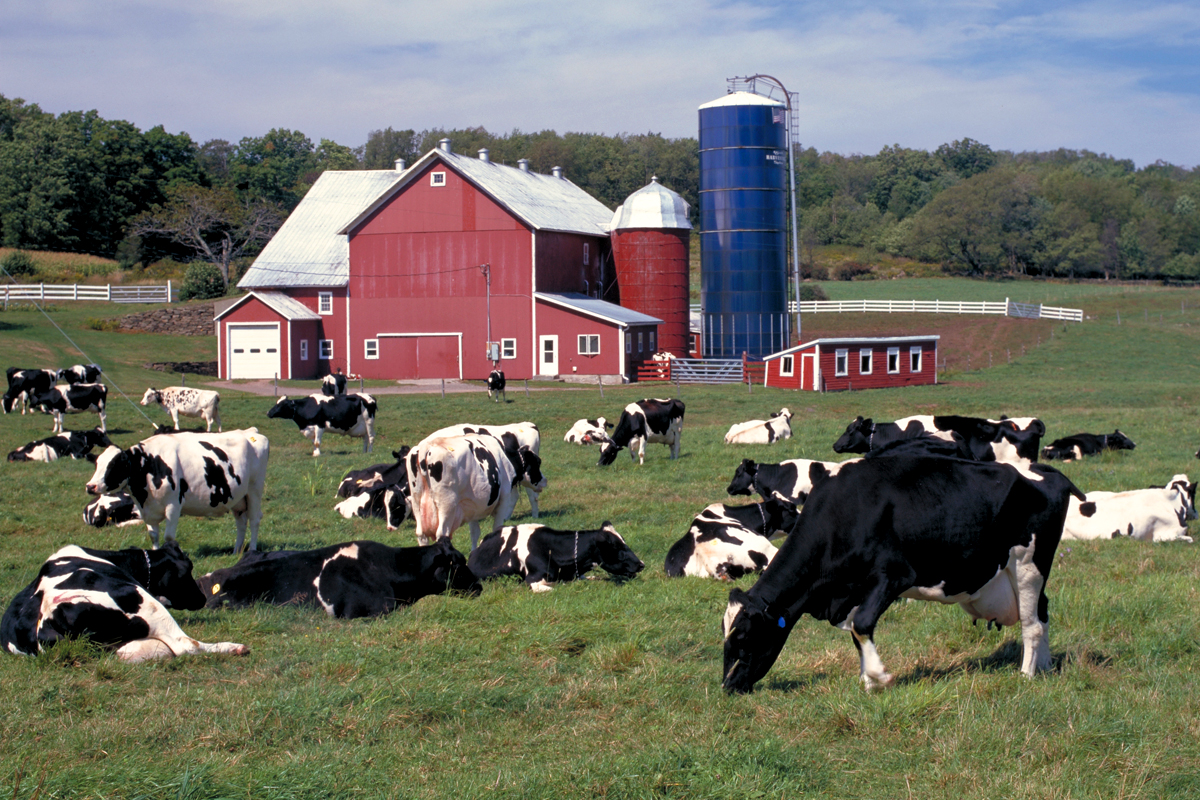
Dairy Production
Dairy farming is the major agricultural industry in Langlade County in terms of combined on-farm value and processing value. On-farm production and milk sales account for $38.6 million. Processing milk into dairy products generates another $87.5 million.
- There is one plant that processes dairy products in Langlade County
- On-farm milk production accounts for 250 jobs, and dairy processing accounts for 290 jobs.
- At the county level, each dairy cow generates $4,085 in on-farm sales to producers.
- At the state level, each dairy cow generates over $34,000 in total sales.
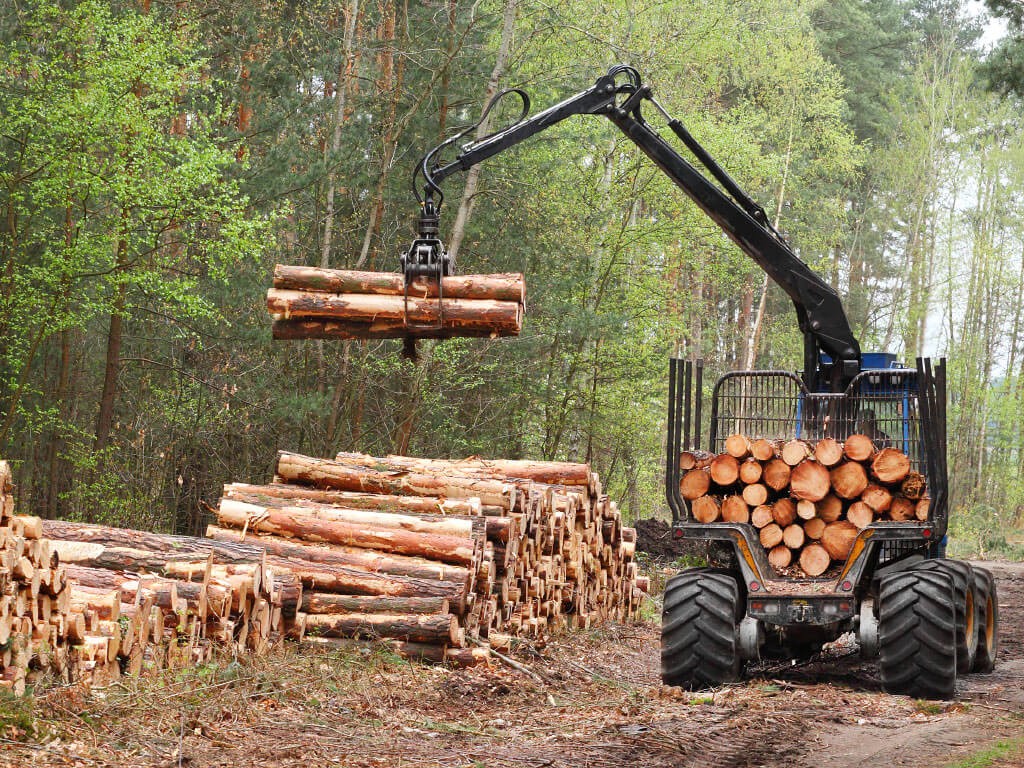
Forestry and Horticulture
Langlade County is one of the leaders in the state for the number of employees working in the forest products sector. This is partially due to the fact that Langlade County has 419,690 acres of forest land which is 73.9% forested area. Public forest land make up 181,790 acres; whereas, private forest land has 237,900 acres.
- Forestry is one of the top ten employers in the county.
- There are an estimated 686 people employed in the woods products industry with a total payroll of $24 million.
- The sales of Christmas trees, fruits and vegetables, greenhouse, nursery and floriculture products total $47.4 million.
- Landscape and grounds maintenance businesses create additional full-time jobs and many seasonal jobs.
- Forestry provides 3.8% of the jobs and 4.3% of the output in the county.
- Every job in forestry supports 1.2 additional jobs in the county.
- Every million dollars of output in forestry creates $826,000 output in other sectors.